Fast delivery with value insured
Secure payments






Other information
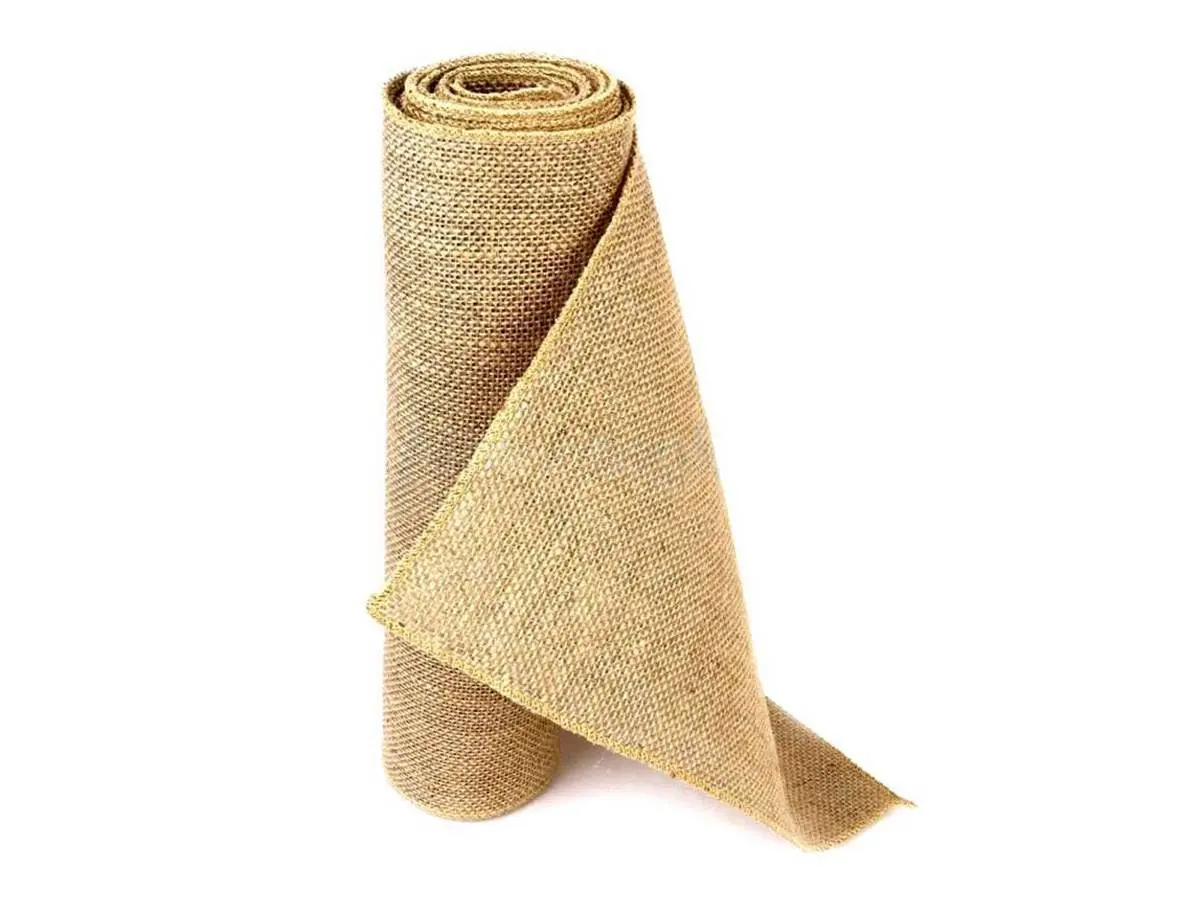
- Available in various sizes
- Roll height 1.20 meters
WHAT IS JUTE?
Jute is a natural fiber of vegetable origin, which can be spun into thick and durable threads. It is the most economical material on the market and ranks just after cotton in terms of quantity produced and variety of uses.
Jute fibers mainly consist of plant-based materials derived from cellulose and lignin. Jute belongs to the raffia fiber family along with kenaf, hemp, flax, and ramie.
JUTE TEXTILE FIBER
There are two types of jute textile fiber extraction; the process can be natural or chemical.
Jute fiber is 100% natural, biodegradable, and recyclable. When burned or left in landfills, it does not produce toxic gases. These are certainly some of the reasons why we consider jute fabric one of the most "green" ecological fabrics available on the market.
ADVANTAGES OF JUTE FABRIC
The advantages of jute include good insulating and antistatic properties, as well as low thermal conductivity and moisture retention.
The benefits of this fabric are especially evident regarding environmental impact. Jute bags can be good substitutes for often single-use plastic bags, while jute can be reused many more times.
These advantages make jute a versatile and sustainable material, a strong fabric, economically convenient, and good for the planet.
USES OF JUTE
Jute yarn has replaced flax and hemp. Jute bags still make up the majority of products made from jute today.
Jute is widely used in the agricultural sector and increasingly used in rigid packaging, replacing plastic, wood, and paper
You might also be interested in View all