Fast delivery with value insured
Secure payments








Other information
- Medium early variety
- Vigorous plant with tall growth habit and good yield
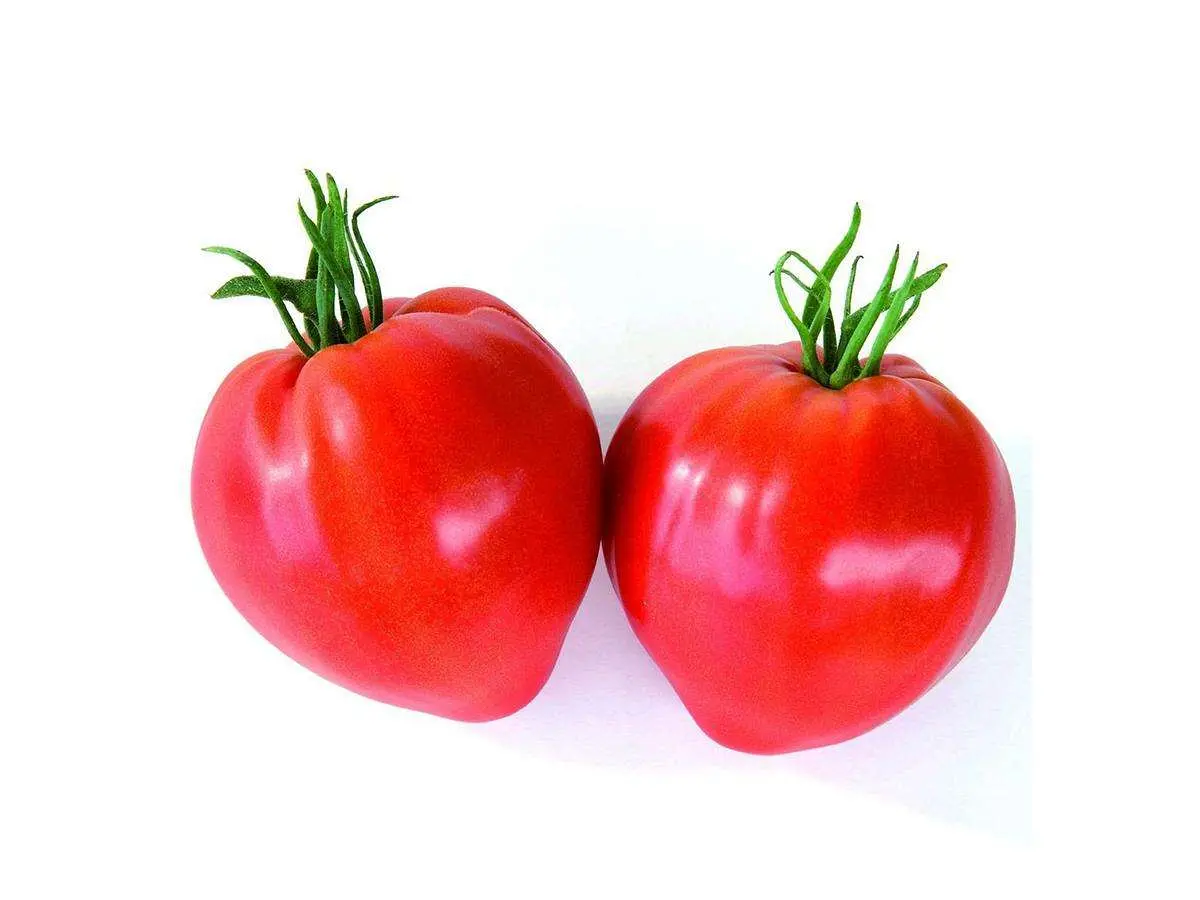
- Large fruits with fleshy pulp of excellent flavor
- Sowing: from February to May
- Harvest: from July to October
The preferred climate for the tomato plant is temperate-warm, so it is better to grow it in summer or in a greenhouse. It does not tolerate humid environments as it is very prone to rot; it prefers dry climates.
To achieve seed germination, the plant should be kept at a temperature not lower than twelve degrees Celsius, while to promote fruit development and enlargement, the ideal temperature is around twenty-five degrees during the day and fifteen degrees at night. As mentioned, the tomato greatly appreciates a warm climate; however, be careful, as temperatures above thirty degrees can damage the plant and cause fruit discoloration.
Tomato sowing can be done in a protected seedbed-greenhouse or directly in open field.
Regarding sowing in a protected container, the optimal temperature for seedling development is twenty-one degrees; generally, after about fifteen days the seedlings emerge and should be transferred into pots containing peat, while repotting will take place in March.
Sowing in open field is carried out from March to May. When the new seedlings have developed three to four leaves, the weaker ones should be removed.
Transplanting in open field is done when the new seedlings are sufficiently developed, usually during May. The distance to maintain between seedlings is about thirty centimeters, and about one and a half meters between rows.
Pinching consists of removing the top part of the highest shoot in order to limit its vertical growth. This operation is generally performed on tomato varieties grown in gardens.
Generally, the harvest of tomatoes takes place between July and September.
Depending on the variety, tomatoes can be harvested at various stages of ripeness. This operation is carried out almost exclusively by hand during the cooler hours of the day; during this phase, great care must be taken not to cause cuts or wounds to the fruits. Tomatoes can be harvested when they take on a lighter color but the seeds inside are still white; or when a pink halo appears on the top part of the fruit; when 30% of the fruit is red and the seeds are brown; full ripeness harvest occurs when the fruit is almost completely red. Usually, salad tomatoes are harvested while still quite green and not fully red, whereas those intended for sauces and pastes are picked at full ripeness and when they have a rich, deep red color.
Watering
The tomato plant requires frequent but, above all, regular watering, especially during the flowering period. When performing this operation, care must be taken not to wet the leaves, to avoid the appearance of rot that is very harmful to the tomato, as well as the fruits, to prevent burning or cracking.
An initial fertilization with mature manure will be carried out during soil preparation before sowing; subsequently, fertilizer rich in phosphorus (in greater quantities) and potassium should be applied, while nitrogen can be added during the covering phase.
Soil type - repotting
The tomato plant adapts to different soil types, although it prefers deep, well-worked soils with an excellent drainage system. It can tolerate both very acidic and very alkaline soils.
The soil for tomato cultivation should be worked to a depth of about fifty centimeters during the summer preceding sowing, while further finishing adjustments should be made in autumn and winter. During this operation, it is advisable to apply mature manure to the bottom of the soil.
You might also be interested in